
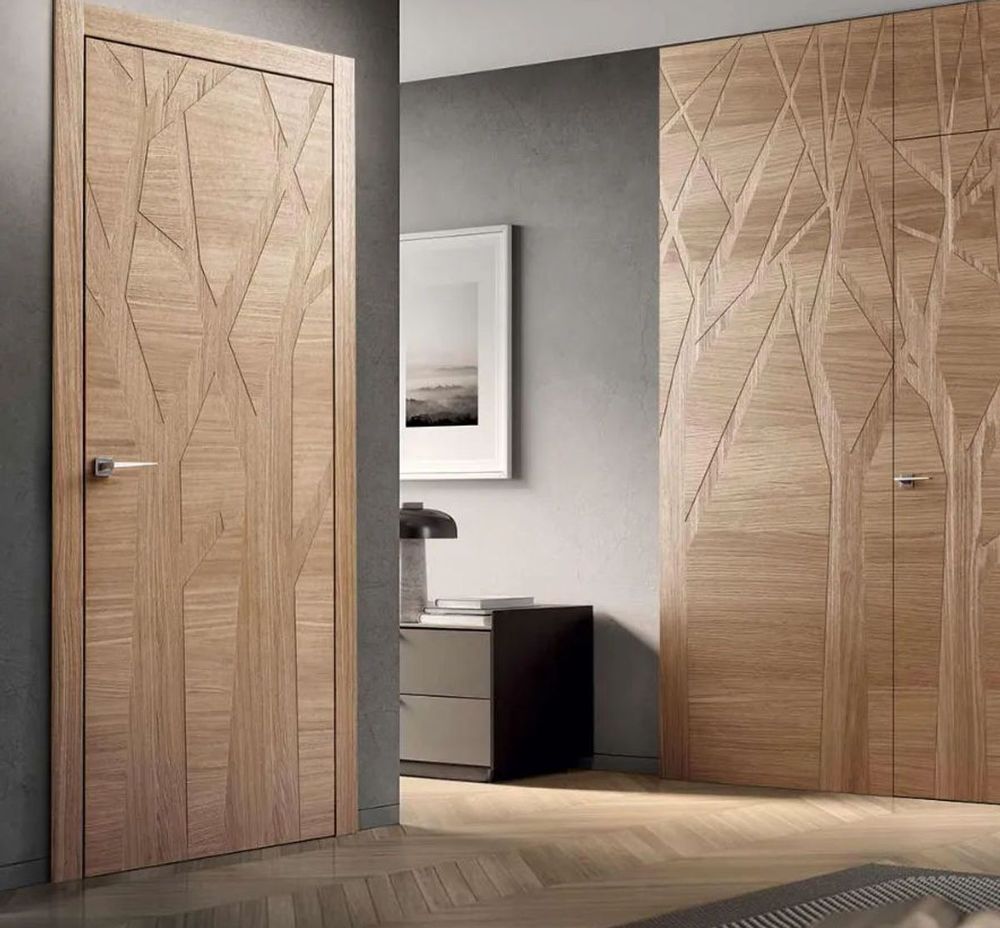
Security doors — Padilla
Spanish manufacturer of metal fire, security and technical doors for all kinds of buildings — from apartment blocks to hotels, offices and plant rooms.
Security doors protect the entrance to a flat or house against burglary. They come in classes RC2, RC3 and RC4 under the EN 1627 standard, with a steel structure and a cladding of your choice. The class applies to the whole door assembly, not just the leaf.
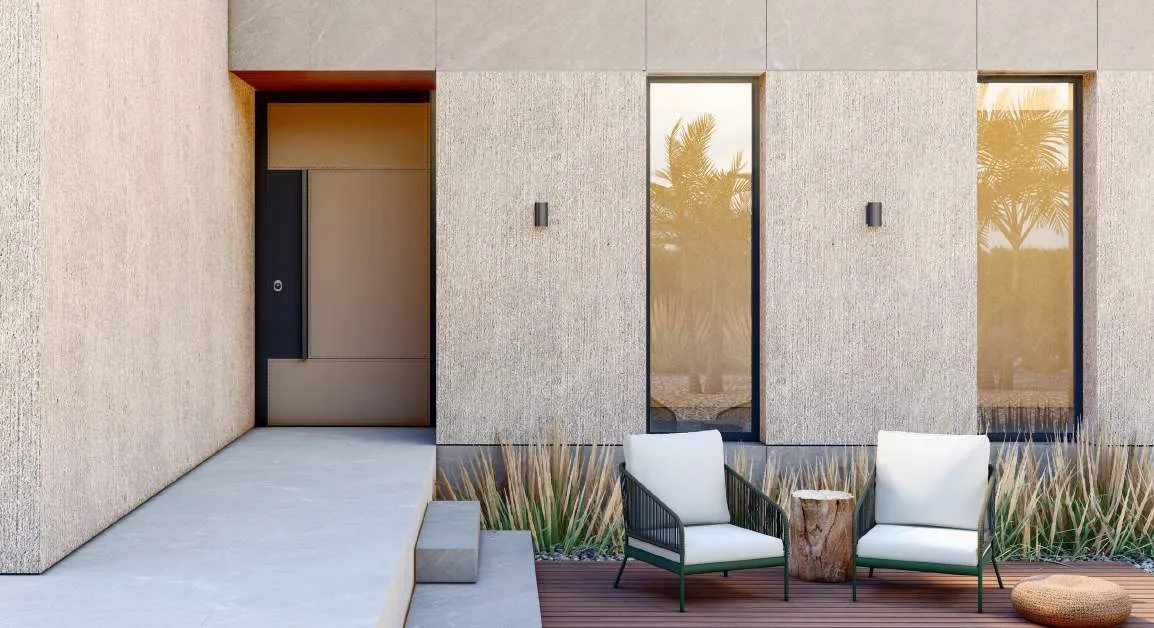
With a security door you decide on four things: the class, the installation, the lock and the look. The class sets the level of protection; the look has no effect on the certificate.
The class tells you how long the door resists a break-in: RC2 about 3 minutes, RC3 about 5 minutes, RC4 about 10 minutes. For most flats and houses we recommend RC3.
The class applies to the whole assembly: leaf, frame, seals and hardware. That is why we install a complete new certified set, not just the leaf. We check the opening and the condition of the wall at the measurement visit.
The lock is part of the certified assembly. We fit only parts approved by the door manufacturer. A non-approved cylinder voids the certificate and the warranty.
The cladding sets the look of the door on both sides. Smooth, veneered and lacquered finishes are available. Transoms and sidelights must have the same class as the leaf.
The measurement visit is free and with no obligation. At the visit we choose the class, check the opening and prepare a price.
Each manufacturer has its own designs, materials and classes — we are happy to advise on what works best for your building.
Spanish manufacturer of metal fire, security and technical doors for all kinds of buildings — from apartment blocks to hotels, offices and plant rooms.
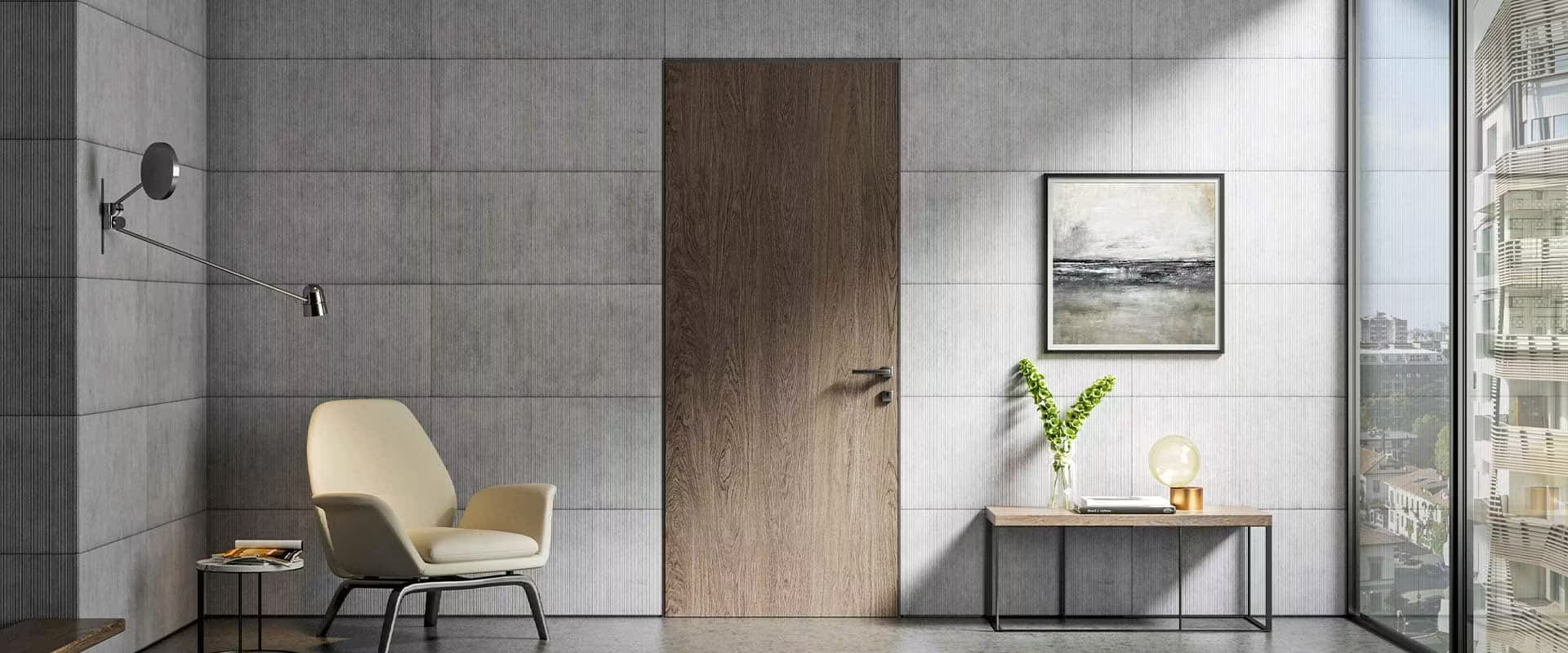
A leading European manufacturer of security and fire doors. Its range covers certified classes RC2–RC4 and fire resistance EI30–EI90, for residential and commercial buildings.
What customers ask us before they decide.
RC2 and RC3 are burglar resistance classes under the European standard EN 1627. RC2 doors are tested against at least 3 minutes of active attack with simple tools, while RC3 doors are tested for 5 minutes, including heavier tools such as a crowbar. RC3 therefore offers a higher level of protection.
For a typical flat in an apartment block, a certified RC2 security door is usually enough. For greater security we recommend RC3, which offers higher resistance to break-in attempts. When choosing, also consider where the flat is, how exposed it is and any requirements from your insurer.
The EN 1627 standard sets out the requirements and burglar resistance classes for doors, windows and other building elements. Classes RC1 to RC6 indicate different levels of protection, depending on the type of attack and the tools used. Certification confirms that the product's burglar resistance has been tested using the prescribed procedures.
For a standard replacement of a flat's front door, the building manager's consent is usually not needed, as long as no common parts of the building are affected. If the replacement affects shared structures, the building's appearance or required fire safety, additional rules apply. Before replacing the door, we recommend checking the building rules and talking to the building manager.
Yes, a good-quality security door can noticeably reduce noise coming in from corridors and stairwells. Sound insulation depends on the door construction, core, seals and correct installation. Some Padilla models achieve sound insulation of 30 to 40 dB, depending on the version.
A security door is not automatically a fire door. To be fire-resistant, it needs an additional, properly tested and classified version, such as EI30 or EI60. Padilla also offers security doors with fire resistance, which protect against both break-ins and the spread of fire.
Yes, some security doors can be unlocked electronically with a code, card, fingerprint or smartphone. Padilla also offers versions with electronic locks. It is important that the chosen system is compatible with the door and does not affect its certified security.
A transom is an additional panel above the door leaf that fills the space in taller door openings. It can be solid or glazed, depending on the version. It is most often used in older buildings and in openings that are taller than standard. On a security door, it must keep the whole assembly properly secure.
Yes, on most security doors you can replace just the lock cylinder, without changing the whole lock or the door. It is important to choose a good-quality security cylinder of the right size. On a certified door, the new cylinder must maintain the required level of burglar protection.
Spanish manufacturer Padilla specialises in metal security, fire-rated and technical doors. Dierre is an Italian manufacturer focused mainly on security doors, with a range of design and technical solutions. Both offer certified security versions; the choice depends on the model, the properties you need and how the door will be used.
At the measurement visit we check the opening and tell you how long installation takes and what it costs. The visit is free and with no obligation.